
Understanding Refractory Metals in Custom Motorcycle Parts
Refractory metals, known for their high melting points, are valuable in custom motorcycle parts. These metals include tungsten, molybdenum, and tantalum. Their durability makes them suitable for parts requiring heat resistance.
Corrosion resistance is another benefit of refractory metals. This quality ensures the longevity of motorcycle components exposed to harsh environments. Parts like exhaust systems and engine components can benefit from these metals.
Efficiency in motorcycles can improve with the use of refractory metals, as they can enhance the heat management of critical parts. Improved heat distribution can positively impact engine performance and fuel efficiency.
Incorporating refractory metals into motorcycle design can also affect rider comfort. By optimizing the performance and durability of key components, these metals contribute to a smoother riding experience.
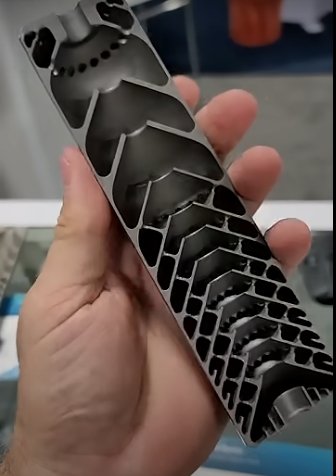
Using refractory metals in custom motorcycle parts enables enthusiasts to achieve both functional and aesthetic goals. Custom parts, such as those produced by CNC machining, can highlight the unique benefits of these metals, enhancing the overall look and feel of the bike.
Comparing Refractory Metals for Motorcycle Applications
Refractory metals are prized for their ability to withstand high temperatures and resist wear, making them ideal for motorcycle parts that demand durability and performance. These metals include tungsten, molybdenum, tantalum, and niobium.
Tungsten stands out for its extremely high melting point and exceptional strength. It is advantageous for components subject to intense heat and stress, such as exhaust systems. Tungsten also has notable wear resistance.
Molybdenum is valued for its strength and ability to maintain structural integrity at elevated temperatures. It is often used in motorcycle manufacturing for parts that require a balance of strength and weight reduction.
Tantalum offers excellent corrosion resistance and is particularly useful in environments where parts are exposed to corrosive elements. This makes it suitable for fasteners and other components where long-term durability is crucial.
Niobium is known for its light weight and good thermal conductivity. It can be used in applications where reducing weight without sacrificing strength is important, such as in custom frames.
When comparing these metals for motorcycle use, factors like heat resistance, corrosion resistance, and weight are key considerations. Each metal brings its own strengths to the table, allowing enthusiasts to select the right material for specific applications. Before choosing, they should assess the specific requirements of their motorcycle parts.
Here is a quick comparison:
| Metal | Key Benefits |
|---|---|
| Tungsten | High strength, heat resistance |
| Molybdenum | Structural integrity at high temps |
| Tantalum | Corrosion resistance |
| Niobium | Lightweight |
Properties and Advantages of Refractory Metals
Refractory metals stand out due to their exceptional thermal properties. These metals can withstand extremely high temperatures, often exceeding 2000°C (3632°F). This makes them ideal for applications where other materials would melt or degrade.
Density is another key feature. Refractory metals are notably dense, which contributes to their strength. This makes them suitable for manufacturing strong and durable motorcycle parts.
A significant advantage is their chemical inertness. They resist reactions in various environments, offering durability and longevity. This makes them perfect for use in motorcycle parts exposed to different weather conditions.
Here is a table highlighting some properties:
The high melting points of refractory metals also allow for specialized manufacturing techniques like powder metallurgy. This method can produce intricate and precise custom motorcycle parts.
| Property | Description |
|---|---|
| Thermal Stability | High melting point ensures stability at extreme temperatures. |
| Density | Provides strength and heaviness for robust parts. |
| Chemical Inertness | Resistant to corrosion and chemical reactions. |
Common applications include wire filaments and tools used in high-temperature environments. Refractory metals like molybdenum are frequently used due to these advantages. Molybdenum, for instance, is commonly applied in the lamp industry for supports.
For more information on the properties of these metals, Rembar provides extensive details.
Motorcycle enthusiasts looking to upgrade should consider parts made from these metals for enhanced performance and reliability.
Design and Development of Custom Motorcycle Parts
Custom motorcycle parts are essential for enthusiasts who want to enhance their bikes with unique aesthetics or performances. To achieve this, advanced design techniques and manufacturing methods play a critical role. Two major technologies in this process are CAD/CAM systems and the integration of rapid prototyping with 3D printing.
CAD/CAM in Custom Parts Design
Computer-Aided Design (CAD) and Computer-Aided Manufacturing (CAM) systems are vital in the creation of custom motorcycle parts. These systems allow designers to construct complex geometries that would be challenging to achieve manually. With CAD software, precise 3D models of parts can be crafted, offering detailed visualization before actual production starts.
The integration of CAM with CAD helps streamline the manufacturing process. It automates the transition from design to physical production, ensuring accuracy and consistency. This reduces errors and improves efficiency, especially for parts like pistons and crankcases—components where precision is paramount. These tools are indispensable for transforming creative concepts into real-world products.
Convert Concepts with Rapid Prototyping and 3D Printing
Rapid prototyping and 3D printing are transformative technologies in motorcycle part development. They enable the swift production of prototypes, allowing designers to test and refine concepts quickly. Using materials like filament or resin, 3D printers can produce detailed models that help identify potential issues before mass production.
For parts with intricate designs, 3D printing is especially advantageous. It can create complex structures that would be difficult to produce with traditional methods. Moreover, this technology supports research and development by enabling cost-effective testing of multiple iterations. Utilizing these techniques, manufacturers can optimize designs and bring innovative custom components to market swiftly.
Machining and Manufacturing Processes
Refractory metals in custom motorcycle parts demand precise and efficient manufacturing processes. Techniques like CNC machining, sheet metal fabrication, and injection molding are vital for producing high-quality components tailored to specific needs.
CNC Machining for Precision Components
CNC machining is essential for creating precision components in custom motorcycle parts. It involves using computer-controlled machines to shape and cut metal parts with great accuracy. CNC milling is particularly suited for complex shapes and contoured surfaces, making it ideal for detailed motorcycle parts. CNC turning is used for components with rotational symmetry, such as shafts or bushings.
These processes ensure each part is crafted to exact specifications, which is crucial for performance and durability. CNC machined parts offer excellent repeatability, ensuring consistency across all components. By allowing for reduced material waste and increased efficiency, CNC machining is a preferred choice in manufacturing high-quality motorcycle parts.
Sheet Metal Fabrication and Laser Cutting Techniques
Sheet metal fabrication plays a critical role in forming various components of custom motorcycles. This technique is employed to manufacture parts like body panels and fenders, which may require both functional integrity and elegant aesthetics. Laser cutting further refines this process by providing high precision in cutting sheet metal, allowing intricate designs to be easily realized.
Laser cutting is advantageous for its speed and accuracy, enabling the production of parts with precise measurements. Additionally, this method reduces the need for secondary processes, like deburring, thereby saving time and costs. Using these techniques, motorcycle manufacturers can efficiently create durable and visually appealing parts from refractory metals.
Injection Molding for Mass Production
When it comes to creating large volumes of motorcycle parts, injection molding is a widely used process. This technique involves shaping molten material within a mold, suitable for generating consistent parts rapidly. While often associated with plastics, advancements have made it possible to use specific refractory metals in this process.
Injection molding is beneficial for mass production due to its efficiency and ability to maintain high-quality standards across numerous items. This consistency is vital for parts that require identical performance and appearance on every motorcycle. By using injection molding, manufacturers can meet high demands without compromising on quality.
Finishing and Customization Techniques
Refractory metals like tungsten and molybdenum in custom motorcycle parts offer not only durability but also potential for stunning finishes. These techniques transform raw parts into eye-catching components with both aesthetic and functional benefits.
Achieving Aesthetics with Anodizing and Powder Coating
Anodizing enhances the surface of custom motorcycle parts by increasing resistance to wear and corrosion. This process involves immersing the metal in an electrolyte bath, which forms a durable layer of oxide. Anodizing can add vibrant colors, allowing enthusiasts to personalize their bikes uniquely.
Powder coating is another popular method, providing a thicker, tougher, and more even finish compared to traditional paint. The powder consists of finely ground particles applied electrostatically, then cured under heat. This gives motorcycle parts a sleek look, available in a wide range of colors and textures, and is excellent for protecting against environmental wear and tear.
Chrome Plating and Polishing for a Classic Look
For a timeless appeal, chrome plating is often used. This technique involves electroplating a thin layer of chromium onto motorcycle parts, creating a shiny, mirror-like finish. It not only enhances aesthetics but also provides excellent corrosion resistance.
Polishing is important for refining parts post-chrome plating. Using specialized tools and compounds, polishing removes surface imperfections, resulting in a smooth, reflective surface. This method is especially popular for custom accessories and parts like handlebars and exhausts, emphasizing their intricate designs and craftsmanship.
These techniques are essential in not just preserving but elevating the visual and functional quality of motorcycles.
Sourcing and Assembling Custom Motorcycle Components
Finding quality sources and ensuring proper assembly is crucial for any motorcycle enthusiast looking to upgrade their bike. The emphasis should be on selecting durable materials and ensuring optimal performance through rigorous testing.
Selecting Suppliers for Quality and Durability
Choosing the right supplier is essential for acquiring high-quality custom parts, such as CNC machined parts, billet aluminum triple clamps, and custom body panels. It’s important to seek suppliers skilled in crafting components like fenders, gas tanks, and brake disc rotors to ensure reliability and durability.
Look for manufacturers offering a range of materials, including aluminum and sturdy structural components. Evaluate suppliers based on their reputation and ability to deliver durable parts that offer cost-effectiveness. For instance, suppliers who specialize in custom fabrication of components like swing arms and clip-on handlebars are often preferable. Research and comparison of options help ensure a well-informed decision.
Integration and Performance Testing
Once the components are sourced, integration into the motorcycle must be done with precision. This involves the careful fitting of parts such as foot pegs, triple clamps, and custom fabricated body elements. Each component, from brake disc rotors to structural parts, must be analyzed for seamless integration with existing parts.
Conduct performance testing to verify that parts operate efficiently and complement the motorcycle’s functionality. This includes assemblies like gas tanks and billet aluminum triple clamps that require meticulous attention. Thorough testing ensures that the vehicle handles effectively under varied conditions. By focusing on the integration and testing phases, motorcycle enthusiasts can achieve a balance between enhanced performance and aesthetic appeal.
Frequently Asked Questions
Motorcycle enthusiasts seeking to integrate refractory metal components into their custom builds often have specific questions. Key concerns include finding fabricators, understanding build processes, exploring famous builders’ work, and evaluating financial and technical considerations.
How can I find a local shop that specializes in fabricating custom motorcycle parts from refractory metals?
Finding a local shop specializing in refractory metals involves researching online directories and motorcycle forums. It’s also helpful to visit motorcycle shows and talk to builders and enthusiasts. Online reviews provide insights into the craftsmanship and reputation of these shops.
What are the essential steps involved in building a custom motorcycle utilizing refractory metal components?
Building a custom motorcycle starts with designing the overall concept and selecting the right refractory metals for components like frames and exhaust systems. Collaborating with experienced builders can ensure the proper integration of these materials. Testing components under various conditions ensures safety and performance.
Which famous motorcycle builders are known for their work with refractory metals?
Several renowned builders have made a mark by using refractory metals in their creations. These builders often showcase their work at international motorcycle shows, where their innovative use of materials like niobium and tungsten sets their designs apart.
What are the financial considerations when dismantling motorcycles for individual parts resale?
Dismantling motorcycles for parts resale can vary in financial viability. Factors include the demand for specific parts, the condition of the motorcycle, and the quality of materials like refractory metals. Evaluating market trends and connecting with buyers on platforms dedicated to motorcycle parts can optimize profitability.
Which parts of a motorcycle are typically replaced most often, and can they be upgraded with refractory metals?
Motorcycle parts frequently replaced include exhaust systems, frames, and engine components. These can be upgraded using refractory metals for better heat resistance and durability. Investing in high-quality replacements can improve performance and longevity, though the costs may be higher compared to traditional materials.
What is the common terminology used to describe a motorcycle that has been modified with custom refractory metal parts?
Motorcycles modified with custom refractory metal parts are often referred to as “custom builds” or “metal builds.” These terms emphasize the significant modifications made using advanced materials, setting these motorcycles apart from standard models. Enthusiasts appreciate these builds for their unique characteristics and enhanced capabilities.