

The Exhaust Gas Recirculation (EGR) system plays a crucial role in modern internal combustion engines. By recirculating a portion of exhaust gases back into the engine’s intake, it significantly reduces harmful nitrogen oxides (NOx) emissions. This not only helps meet stringent environmental regulations but also enhances engine efficiency.
Understanding the mechanics and benefits of EGR systems is essential for anyone interested in automotive technology. These systems come in two types: low-pressure and high-pressure, each suited for different engine designs and performance requirements. Their proper functioning can lead to improved fuel efficiency and longevity of vehicle components.
As vehicles continue to evolve in response to environmental concerns, recognizing the impact of EGR systems on engine performance becomes increasingly important. Awareness of how these systems operate helps owners maintain their vehicles and comply with emission standards effectively.
How The EGR System Works
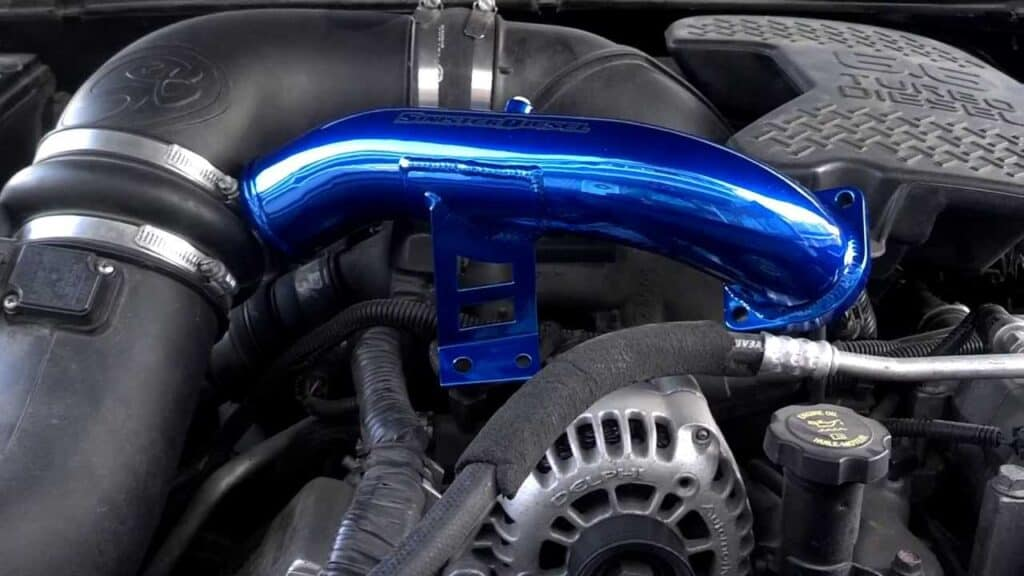
The EGR system plays a crucial role in reducing emissions and improving engine efficiency by recirculating exhaust gases. Understanding its components and operation provides insight into how it contributes to better vehicle performance.
Explanation Of The Components Of The EGR System
The EGR system consists of several key components, each with a specific function. These include the EGR valve, exhaust gas passages, and the exhaust manifold.
- EGR Valve: This is a crucial component that regulates the flow of exhaust gases back into the engine. It can be either vacuum-operated or electronically controlled.
- Exhaust Gas Passages: These are the channels through which exhaust gases travel from the exhaust manifold back to the intake manifold.
- Engine Control Unit (ECU): The ECU manages the EGR operation by monitoring various engine parameters, such as temperature and load, ensuring optimal gas recirculation.
Together, these components work to enhance combustion efficiency and lower harmful emissions.
The Process Of Recirculating Exhaust Gases Back Into The Engine
The EGR process begins when the engine is at operating temperature. The ECU detects conditions suitable for recirculation, such as when the engine is under load.
- Opening the EGR Valve: The EGR valve opens, allowing exhaust gases to flow from the exhaust manifold through the passages.
- Mixing with Intake Air: The recirculated gases mix with fresh air in the intake manifold, reducing the oxygen content entering the combustion chamber.
- Combustion Process: This mixture leads to lower combustion temperatures, which helps reduce the formation of nitrogen oxides (NOx) during the combustion process.
This controlled recirculation significantly decreases harmful emissions.
The Role Of The EGR Valve And Its Operation
The EGR valve is often called the heart of the EGR system. Its primary function is to control the amount of exhaust gas being recirculated back into the engine.
- Types of EGR Valves: There are two main types: vacuum-operated and electronic.
- Functionality: In vacuum-operated valves, a diaphragm opens or closes based on the engine vacuum. Electronic valves utilize sensors and the ECU to determine optimal gas flow more accurately.
- Position and Control: The EGR valve’s position is constantly monitored by the ECU. It adjusts according to engine load and speed, allowing for precise control over gas recirculation.
Efficient operation of the EGR valve is vital for maintaining emission standards and improving fuel efficiency.
Effects Of The EGR System On Engine Performance
The EGR system plays a crucial role in balancing engine efficiency and emissions. Its impact extends across various aspects of engine performance, influencing combustion efficiency, power output, and potential drawbacks.
Impact On Combustion Efficiency
The EGR system improves combustion efficiency by recirculating exhaust gases back into the engine’s intake. This process reduces the oxygen concentration in the combustion chamber, which lowers combustion temperatures. Consequently, the formation of nitrogen oxides (NOx) emissions is minimized.
The introduction of exhaust gases can also enhance fuel vaporization. With better vaporization, fuel ignites more uniformly, leading to a more complete combustion process. This efficiency helps optimize fuel consumption while reducing harmful emissions.
Influence On Engine Power And Torque
While the EGR system can promote emissions control, its effect on engine power and torque demands attention. By introducing exhaust gases into the intake, the EGR system can dilute the air-fuel mixture. This dilution may result in a reduction of the engine’s power output, particularly under high-load conditions.
Though some engines are designed to compensate for this power loss through advanced tuning, others may struggle. The key is to ensure that performance is adequately balanced with emissions control during design and calibration.
Potential Drawbacks, Including Throttle Response And Engine Wear
The EGR system is not without potential drawbacks. One notable concern is the impact on throttle response. The introduction of exhaust gases can lead to a lag in response, particularly during acceleration. Drivers may notice a decrease in immediate power delivery during these situations.
Additionally, the EGR system can contribute to engine wear over time. Recirculated exhaust gases can carry particulate matter, which may accumulate and clog components like the EGR valve and intake system. This buildup often necessitates periodic maintenance, including cleaning or replacement, to maintain optimal engine performance.
Environmental Implications Of The EGR System
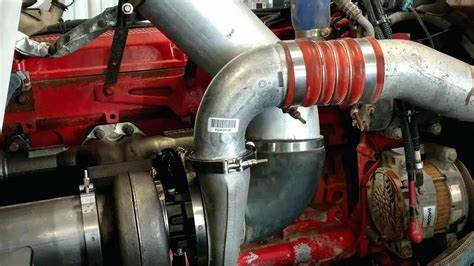
The EGR system plays a significant role in reducing harmful emissions from internal combustion engines. This section explores its impact on nitrogen oxide (NOx) emissions, how it helps meet regulatory standards, and how it compares with other emission reduction technologies.
Reduction Of Nitrogen Oxide (NOx) Emissions
One of the primary functions of the EGR system is to reduce nitrogen oxide (NOx) emissions. NOx is a significant air pollutant that contributes to smog and acid rain. By recirculating a portion of the exhaust gases back into the combustion chamber, the EGR system lowers the peak combustion temperature. This reduction in temperature directly decreases the formation of NOx.
Research indicates that EGR systems can achieve NOx reductions of up to 50% under certain operating conditions. This is essential for diesel engines, which typically produce higher levels of NOx compared to gasoline engines.
Through effective design and implementation, the EGR system significantly contributes to cleaner air and a healthier environment.
Contribution To Meeting Regulatory Standards
The importance of EGR systems is underscored by increasingly strict emissions regulations. Manufacturers must comply with these regulations to ensure their vehicles are marketable. EGR technology supports compliance with standards from organizations such as the Environmental Protection Agency (EPA).
By integrating EGR, vehicles can meet the lower NOx levels mandated by regulations like Euro 6 in Europe and Tier 3 in the United States. The incorporation of EGR technology is often crucial for manufacturers to pass emissions testing. This technology allows automotive engineers to design engines that not only comply with but also often exceed regulatory requirements.
Comparison With Alternative Emission Reduction Technologies
When evaluating EGR systems against alternative emission reduction technologies, several factors come into play. Competing technologies may include selective catalytic reduction (SCR) and lean NOx traps (LNT). While SCR systems require a urea-based reductant and involve additional components, EGR systems integrate more seamlessly into existing engine designs.
EGR is generally less costly to implement than SCR. It does not require the additional infrastructure that SCR systems do, which can lead to increased maintenance and operational costs. Thus, while alternatives may achieve certain benefits, EGR remains a popular choice for many manufacturers due to its cost-effectiveness and direct impact on NOx emissions.
Conclusion
The EGR system plays a critical role in vehicle performance and emissions control. Understanding its importance helps in making informed choices about engine maintenance and optimization.
Recap Of The Significance Of The EGR System
The EGR (Exhaust Gas Recirculation) system reduces harmful emissions by recirculating a portion of the exhaust back into the engine. This process lowers combustion temperatures, which significantly reduces nitrogen oxides (NOx) emissions.
A well-functioning EGR valve improves fuel efficiency and engine performance. When the EGR system operates correctly, it ensures a cleaner combustion process, which is essential for meeting emission standards and enhancing air quality. Careful monitoring and maintenance of this system can prevent common issues like clogging or failure, ensuring both environmental and operational benefits.
Final Thoughts On Balancing Performance And Emissions
Achieving an optimal balance between performance and emissions is crucial for modern engines. The EGR system is designed to enhance engine efficiency while addressing environmental concerns.
However, it can inadvertently impact performance due to factors like carbon buildup or insufficient flow. Drivers should regularly inspect and maintain their EGR systems to ensure that vehicle performance does not suffer due to emissions controls. This balance is essential for compliance with environmental regulations and for maximizing the vehicle’s operational capability.
Encouragement For Further Exploration Of Engine Technologies And Their Impacts
The field of engine technologies is continually evolving, necessitating ongoing research and understanding. Exploring advancements in systems like EGR can provide insights into improving vehicle efficiency and reducing environmental impact.
As new technologies emerge, including turbocharging and hybrid systems, the implications for emissions control will expand. Engaging with these topics can empower vehicle owners and enthusiasts to make more informed decisions regarding their engines and overall vehicle maintenance. Embracing innovation in engine technology is beneficial for both the environment and vehicle performance.